- Your cart is empty
- Continue Shopping

Note: If you do not receive a response from the website, please contact us at kalidinali545@gmail.com and include your Order Number in the message for faster assistance.


£91.00
Add to cart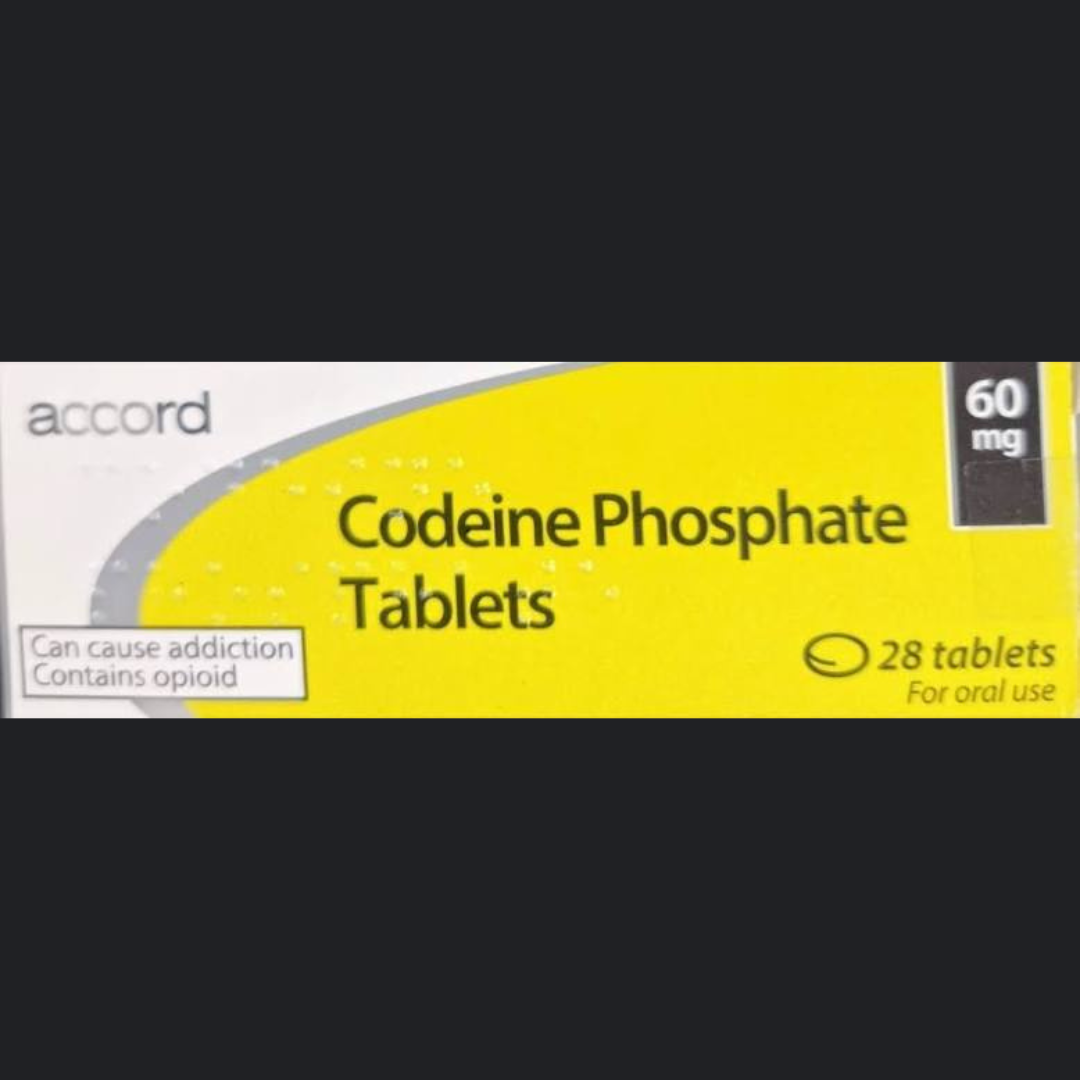
£91.00
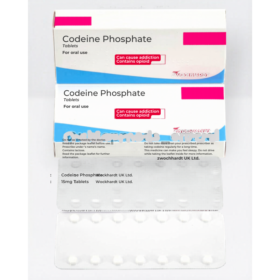
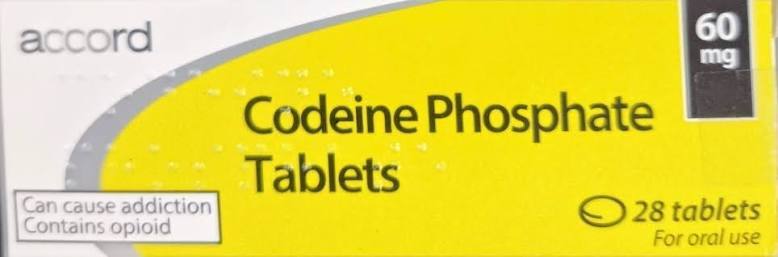
Codeine Phosphate 60mg – Accord is used for the treatment of:
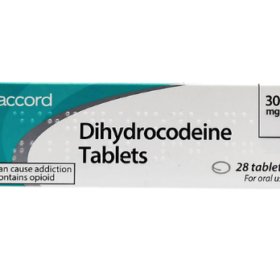
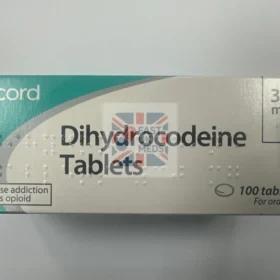
28 Tablets in one box
Codeine Phosphate 60mg Accord is an opioid analgesic medicine containing codeine phosphate as its active ingredient. It is prescribed for the short-term treatment of acute moderate pain when conventional painkillers, such as paracetamol or ibuprofen, have not provided sufficient relief.
Codeine works by acting on opioid receptors in the central nervous system, helping reduce the perception of pain and improve patient comfort. It may also be prescribed for certain types of dry cough or diarrhoea when clinically appropriate.
As an opioid medicine, Codeine Phosphate 60mg should only be used under the supervision of a qualified healthcare professional. It is a prescription-only medicine (POM) in the UK and carries risks of dependence, addiction and respiratory depression.
Codeine Phosphate 60mg Accord belongs to a group of medicines known as opioid analgesics. Each tablet contains 60mg of codeine phosphate, which acts on the central nervous system to help manage pain.
Healthcare professionals may prescribe Codeine Phosphate for:
Codeine may sometimes be prescribed alongside other pain-relieving medicines. However, it should not be combined with other medications without checking with a doctor or pharmacist.
Codeine is an opioid medicine that acts on opioid receptors in the brain and central nervous system. These receptors play an important role in regulating how the body experiences and responds to pain.
After administration, the body converts some codeine into morphine through an enzyme called CYP2D6. This contributes to its pain-relieving effects.
Codeine Phosphate 60mg may help:
The response to codeine can vary between individuals because of differences in how their bodies metabolise the medicine.
The appropriate dosage of Codeine Phosphate 60mg depends on several factors, including the patient’s age, medical condition, pain severity, other medicines being taken and individual response to treatment.
The medicine should always be taken according to the prescription and the patient information leaflet.
Important dosage considerations include:
Codeine can cause physical dependence, even when used as prescribed. Stopping regular treatment suddenly may cause withdrawal symptoms, so discuss any changes with your healthcare professional.
Codeine Phosphate 60mg tablets are intended for oral administration. Follow your doctor’s instructions and the directions provided with the medicine.
For appropriate use:
If you miss a dose, follow the patient information leaflet or ask your pharmacist for advice. Never take an extra dose to compensate for a missed one.
Like other opioid medicines, Codeine Phosphate 60mg may cause side effects. Their severity and frequency can vary depending on the individual, dosage and duration of treatment.
Some commonly reported side effects include:
Other possible side effects include:
Seek immediate medical attention if you experience:
These symptoms may indicate a serious reaction or opioid overdose.
Before starting Codeine Phosphate 60mg Accord, inform your doctor about your medical history and any medicines or supplements you currently use.
Additional medical advice is particularly important if you have any of the following conditions:
Codeine may interact with other medicines and substances, potentially increasing the risk of serious side effects.
Particular caution is required when combining codeine with:
Always consult your doctor or pharmacist before combining Codeine Phosphate 60mg with another medicine.
Codeine Phosphate 60mg is an opioid medicine primarily prescribed for acute moderate pain that has not responded adequately to other painkillers. It may also be used for certain types of cough or diarrhoea when clinically appropriate.
Codeine is an opioid painkiller. Its strength and effectiveness vary between individuals. The 60mg tablet is a higher-strength formulation and should only be used according to a healthcare professional’s instructions.
Yes. Codeine can cause physical dependence, tolerance and opioid use disorder, particularly with prolonged use or inappropriate dosing. It should be taken for the shortest period necessary under medical supervision.
No. Alcohol can increase the sedative effects of codeine and raise the risk of severe drowsiness, breathing difficulties and potentially life-threatening complications.
No. Codeine Phosphate 60mg tablets are classified as a prescription-only medicine (POM) in the UK. They should only be supplied against a valid prescription.
Keep the tablets in their original packaging, away from moisture and excessive heat. Store them securely and out of the reach of children. Follow the storage instructions provided with the medicine.
| ⚠️ Important Medical Disclaimer | Always consult your GP or a qualified healthcare professional before starting any medication. Medicines may not be suitable for everyone and can cause side effects or interact with other treatments. Do not exceed the recommended dosage and carefully read the patient information leaflet provided with your medicine. If you experience any adverse reactions, seek medical advice immediately. Prescription-only medicines should only be used with a valid prescription from a licensed healthcare provider. This website provides information for general guidance and research purposes only and should not be considered medical advice, diagnosis, or treatment. |
|---|