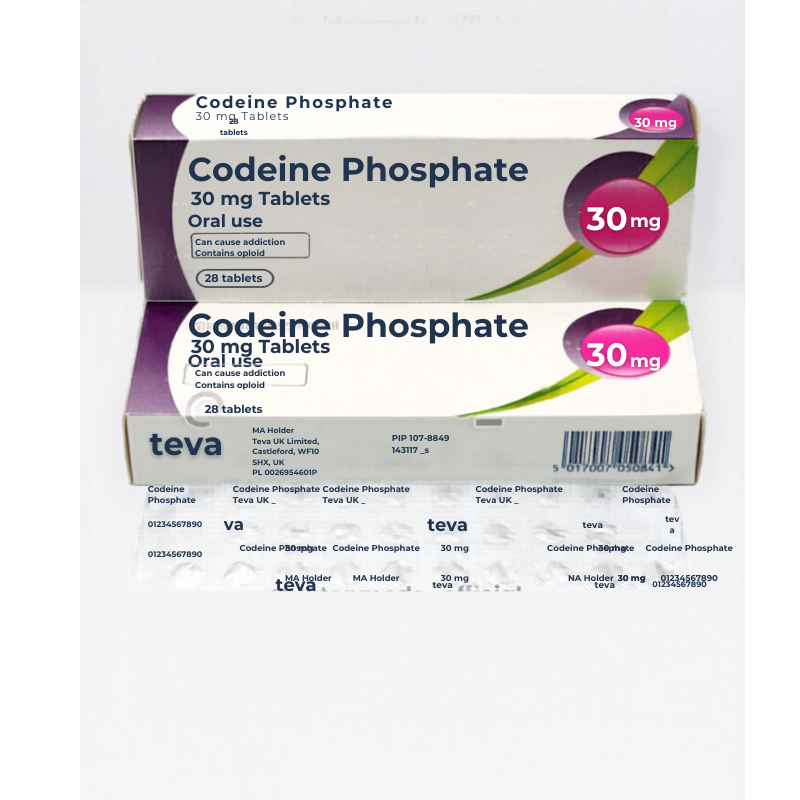
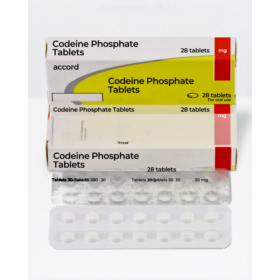
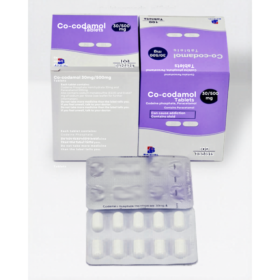
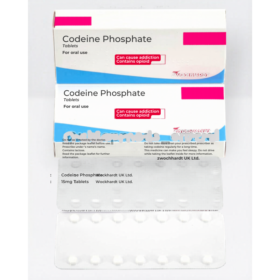
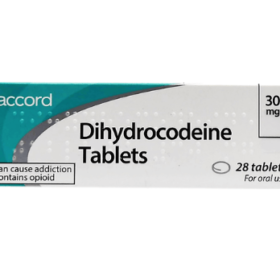
Codeine Phosphate 30mg Tablets Teva

Codeine Phosphate 30mg Tablets Teva

Current price is: £ 57. Original price was: £ 75.

Codeine Phosphate 30mg Pills Tablets can relieve pain, suppress coughs or treat diarrhoea. It contains codeine which belongs to a class of medicines called opioids, which are ‘pain relievers’.
Codeine Phosphate 30mg Tablets

Current price is: £ 57. Original price was: £ 75.

Add to cart
Buy Now
Description

Product Description

Codeine Phosphate 30mg Tablets by Teva 28 Pills

This product contains Codeine which belongs to a group of medicines called opioid analgesics which act to relieve pain. It can be used on its own or in combination with other pain killers such as Paracetamol. Codeine can be used in children over 12 years of age for the short-term relief of moderate pain that is not relieved by other painkillers such as Paracetamol or Ibuprofen.

Directions

The usual starting dose for adults and children aged 12 years or above for relief of mild to moderate pain is 30mg to 60mg every six hours, as needed. The usual adult starting dose for diarrhoea is 30mg, three or four times daily. No more than 240mg should be taken in 24 hours. In all cases, dosage will be reduced for elderly. Codeine Phosphate tablets should not be taken by children below the age of 12 years due to the risk of severe breathing problems. Always follow your doctors instructions completely.
Also, follow any special instructions or warnings that appear on the label that the pharmacist has put on the package. If you do not understand or are in any doubt, ask your pharmacist. Unless instructed differently, take your tablet(s) with a glass of water. If you have been given a blister pack, to obtain a tablet, press on the tablet from the blister (or bubble) pushing it through the foil. Do not remove the tablet from the blister until you are ready to take it.

Ingredients

The active ingredient in Codeine Phosphate tablets is 30mg Codeine Phosphate.

Other ingredients are Lactose, Acacia Spray Dried, Maize Starch, Magnesium Stearate and Stearic Acid.

Warnings

Keep out of the reach and sight of children. Read he enclosed patient information leaflet before taking. Do not take or talk to your doctor before taking if you are allergic to any of the ingredients, suffer from acute alcoholism, suffer from severe stomach cramps, suffer from diarrhoea, if you have severe problems with breathing, are at risk from a blocked intestine, pregnant or breast feeding.

How to take Codeine Phosphate 30mg Tablets?

Your prescriber should have discussed with you, how long the course of tablets will last.

They will arrange a plan for stopping treatment. This will outline how to gradually reduce the dose and stop taking the medicine.

Always take this medicine exactly as your doctor or pharmacist has told you. Check with your doctor or pharmacist if you are not sure.

Before starting treatment and regularly during treatment, your doctor will discuss with you what you may expect from using Codeine Phosphate tablets, when and how long you need to take it, when to contact your doctor, and when you need to stop it (see also, If you stop taking Codeine Phosphate tablets.

The recommended dose is: For the relief of pain

Adults and children over 12 years: 30-60 mg every four hours, when necessary to a maximum of 240 mg daily.

For the relief of coughing

Adults: 15-30 mg three or four times daily.

For the treatment of prolonged diarrhoea

Adults: 15-60 mg every four to six hours. Do not take more than 240 mg in 24 hours.

A lower dosage may be needed if you are an older person who may have liver or kidney problems.

The medicine should not be taken for more than 3 days. If the pain does not improve after 3 days, talk to your doctor for advice.

Codeine Phosphate tablets should be used for the shortest duration necessary to relieve symptoms.

Use in children and adolescents
Children below the age of 12 years

Codeine Phosphate Tablets should not be taken by children below the age of 12 years due to the risk of severe breathing problems.

Children aged 12 years to 18 years

In children and adolescents between 12 years and 18 years who have problems with their breathing, codeine is not recommended as this population may be more susceptible to breathing problems due to codeine.

Swallow these tablets with water.

If you take more Codeine Phosphate Tablets than you should

If you take too many tablets, you may have symptoms such as feeling or being sick, depression, low blood pressure, pinpoint pupils, slow breathing rate, fast heart rate. Contact your doctor or pharmacist at once for advice.

This Codeine is part of our Pain Relief medications UK range.

If you forget to take Codeine Phosphate 30mg Tablets

If you forget to take a dose take it as soon as you remember and then take the next dose at the right time. Do not take a double dose to make up for a forgotten dose.

If you stop taking Codeine Phosphate Tablets

Do not suddenly stop taking this Codeine Phosphate 30mg Tablets. If you want to stop taking this medicine, discuss this with your prescriber first. They will tell you how to do this, usually by reducing the dose gradually so that any unpleasant withdrawal effects are kept to a minimum. Withdrawal symptoms such as restlessness, difficulty sleeping, irritability, agitation, anxiety, feeling your heartbeat (palpitations), increased blood pressure, feeling or being sick, diarrhoea, shaking, shivering or sweating may occur if you suddenly stop taking this medicine.

Additional information
⚠️ Important Medical Disclaimer

Always consult your GP or a qualified healthcare professional before starting any medication. Medicines may not be suitable for everyone and can cause side effects or interact with other treatments.

Do not exceed the recommended dosage and carefully read the patient information leaflet provided with your medicine. If you experience any adverse reactions, seek medical advice immediately.

Prescription-only medicines should only be used with a valid prescription from a licensed healthcare provider.

This website provides information for general guidance and research purposes medicine only and should not be considered medical advice, diagnosis, or treatment.